Walk any main street after hours and you will spot a quiet paradox: the lights are off, the staff is gone, yet the building still breathes. The storefront needs air, not a sealed tomb. The warehouse needs crossflow so forklifts do not wake up to condensation and stale fumes. The back hallway needs to dump heat from dishwashers and dryers. And all of it needs protection from people who read a locked door as a creative challenge. Enter scissor security gates, the unglamorous workhorse that lets air move while your assets sit tight.
If you have only seen them half-noticed in the background, the “accordion” look might seem ornamental. It is not. Those X-shaped uprights, rollers, and pickets hit a sweet spot between airflow, sight lines, and force resistance. I have specced and installed these for retailers who needed to reduce shrink and for food producers who fought mold blooms in summer. The same solution solved both problems because it was designed for exactly this tension: airflow and access control.
The ventilation logic, without ductwork drama
Many buildings limp along with marginal ventilation after hours. The HVAC shuts back to save money, vents close, louvers seize in winter. A security gate that you can close across an open doorway or loading bay becomes a low-tech way to maintain air exchange without leaving a gaping invitation. The lattice leaves huge open area compared with a solid roll-down shutter. Typical scissor security gates provide roughly 60 to 80 percent free area depending on picket spacing and frame size. That is enough for natural convection to carry off heat and fumes, and for fans to pull through without whistling.
It is not just comfort. Air movement after hours keeps humidity down, especially in car bays, commercial kitchens, and garden centers. Lower humidity means less rust and mold, fewer swollen door frames, and less condensation on polished concrete that turns the morning shift into a curling rink. A bakery client saw a 15 percent drop in overnight relative humidity at the proofing area simply by leaving three doors propped and using expanding security gates as barriers. They also stopped mopping every morning. That is the kind of operational win you feel in the knees and the balance sheet.
How the lattice earns its keep
At a glance, all accordion security gates look the same. Up close, the difference between a bargain and a bruiser shows in three places: the metal, the joints, and the lock.
The metal matters because strength without too much bulk is the point. Most commercial security gates use rolled steel uprights and flats, often powder-coated to resist corrosion. Galvanized finish still wins in damp spaces, exterior applications, and anywhere road salt drifts in. Aluminum exists, but unless weight is a severe concern, steel carries better value per pound and handles abuse. You will find picket spacing in the 3 to 7 inch range. Tighter spacing keeps hands out and makes it harder to reach a door handle beyond the gate. Wider spacing means more airflow and visibility, useful for retail windows where you want passersby to see displays at night. You trade a little security for marketing and air.
Joints, the scissor pivots, usually ride on rivets or shoulder bolts. A sloppy pivot gives you rattle and binding over time. A tight pivot with proper washers moves silently and does not snag on debris in the floor track. You can feel it in your hands the first time you close the gate. Smooth equals used daily without cursing. Rough equals propping it open because nobody wants to wrestle it, which defeats the whole purpose.
The lock does more than keep honest people honest. A decent double-cylinder setup prevents a would-be intruder from breaking a storefront pane and reaching through. For businesses that need fire code compliance on egress routes, you can pair a secured outer scissor gate with an interior panic device on the door itself, which keeps people safe while guarding the perimeter when the door is open for airflow. If your authority having jurisdiction is strict, an experienced security gate supplier can walk you through specific hardware combinations that pass inspection without killing ventilation.
Nighttime visibility and the psychology of the passable barrier
There is a human factor at play. Solid shutters create a blank wall. They can invite graffiti, and they obscure any sign of life. Expanding security gates leave the interior visible. That transparency does two things: it preserves casual surveillance from patrol cars and the public, and it reduces the sense that there is something hidden worth breaking into. Opportunistic theft drops when interiors stay lit and visible. I have seen loss rates fall 20 to 40 percent in small retail just by changing from solid roll-downs to scissor gates and leaving a few lights on. Add a camera facing the entry and you get overlap between physical and electronic security without closing the lungs of the building.
Visibility helps staff too. Closing staff can look down a corridor through a locked gate and verify that nobody is inside, which saves the awkward flashlight tour. In a strip mall, neighboring businesses appreciate being able to see beyond each other’s gates if an alarm trips.
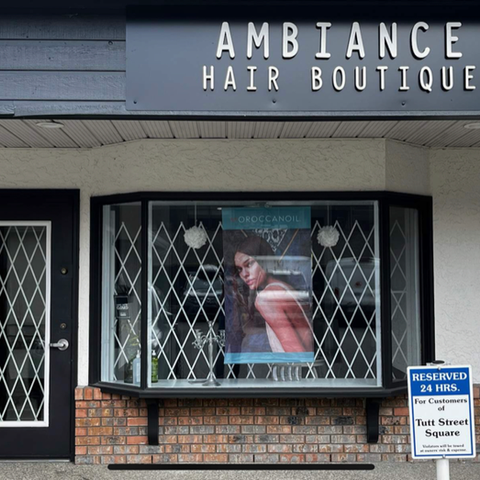
Where airflow meets code and common sense
Ventilation and security sometimes make uneasy bedfellows. Fire marshals do not love anything that might trap people or jam in a panic. The good news is that scissor security gates come in configurations intended for secondary security, not life-safety egress routes. That means you can lock them only when the area is unoccupied. If you need to secure an egress door that must remain available during business hours, use a gate that folds clear of the opening completely and is locked open while the building is occupied. After closing, staff can open the door for ventilation and lock the gate across the opening. The egress requirement is at that point moot because the building is empty.
Drugstores and clinics sometimes need air movement in controlled areas without giving anyone a direct path to medications. A ceiling-suspended lattice partition can subdivide an open plan, creating a breathing barrier that meets security requirements for Schedule II storage while keeping HVAC effective. The trick is never blocking marked exits, never adding locking devices to panic bars, and coordinating with your inspector. It sounds fussy, but the right drawings and hardware choices pass without drama.
Doorways, dock doors, and the overlooked side entrances
Most people imagine a front door grille, but the best gains in ventilation come from the doors that actually move air: side alleys, dock doors, and double-width hall entries. A steel roll-up on a loading dock is a sauna lid. Throw it open at 8 p.m., pull a scissor gate across, and the building starts breathing from the far end. Even a 6 inch temperature difference between interior and exterior encourages stack effect, especially if you also crack a roof vent or second-level window. Twenty minutes later you feel the air go from heavy to fresh.
In older buildings, alley doors often sit on ancient hinges with loose strike plates that cannot take a modern deadbolt without carpentry. An expanding security gate installed inside, braced to solid structure, lets you leave the antique door ajar to ventilate while creating a new, secure plane of protection. I have used this trick in heritage storefronts where the glass doors were designated. Preservation won, insurance was satisfied, and the space stopped smelling like a damp coat.
Comparing scissor gates to other security options that affect airflow
It helps to look at why other security approaches fall short when ventilation matters. Solid shutters seal like Tupperware, which is great for storms but miserable for humidity. Perforated rolling grilles are better, but many models offer only 20 to 40 percent open area and they ride in side channels that can snag debris. They cost more, are heavier, and almost always need professional install and motorization for larger spans. Great for malls and airports, overkill for the average storefront or back door that needs a rugged, daily, manual solution.
Bars, the welded kind, allow air, but they do not retract. They change the look of the building permanently, and they complicate egress if installed carelessly. They also tie you to one design decision for years. An accordion security gate folds back to a fraction of its width, keeps your frontage clean by day, and can be keyed into your existing lock system. It is adaptable, which is underrated until your merchandising changes and you want a different entrance rhythm.
Anatomy of a good installation
A scissor gate is only as strong as whatever it is anchored to. On a block wall, use expansion anchors or adhesive anchors sized to the load and verified on sound material. On steel, through-bolting beats self-drillers for the main brackets. On wood jambs, lag bolts into studs are mandatory, not optional. If you cannot find solid structure, stop and add backing. I have rebuilt too many “it’ll hold” installs after a thief leaned with a car jack and popped out the top bracket like a baby tooth.
Floor tracks get a bad reputation because people trip on anything. The better option is a top-hung gate with a bottom guide shoe instead of a full track. It glides without putting a groove in your threshold. If you need a floor track for wide spans, recess it if possible or use a low-profile design and mark it clearly. The operator who wheels dollies through your opening twice a day will thank you, and thanks is a good indicator of a design that will actually be used.
Locks belong where hands can operate them comfortably. Waist height beats ankle height. Double-cylinder locks are standard for gates exposed to exterior glass. If you are consolidating keys for staff, talk to a locksmith or the security gate supplier about keying to your existing system. Re-keying the gate later is easy enough, but matching cylinders from the start avoids a baggie full of mystery keys taped under the counter.
Noise, drafts, and the reality of workspaces
Let us be honest, airflow is not always a blessing. People near an open scissor gate might catch a draft. In winter, that can feel like working beside a chimney. The answer is not to give up on ventilation, it is to schedule it and shape it. Use it aggressively after close and before open, when the space is empty. Run a box fan low and angled to draw air out, not blast it in. In summer, you can run the gate closed and the opening cracked during off-peak hours to keep air moving without roasting the register area.
Sound travels through a lattice more than a solid. That is good for safety checks, less good if a nightclub next door bass-tests until 1 a.m. Again, schedule matters. You can also place the gate behind a vestibule or offset the opening to break a line of sight. If your security gate protects a mechanical room or a back-of-house corridor, a short wing wall or a mobile shelving unit can dampen noise paths while allowing airflow through the gate.
Maintenance that keeps gates quiet and dependable
Scissor gates do not need much, but what they need, they really need. Dust and grit in the pivots feel like sand in your shoes. Twice a year, blow out the joints or vacuum the lattice, then hit the pivot points with a dry lubricant. Oil attracts dust, graphite blackens hands, silicone or PTFE sprays do the job without gunk. Check fasteners annually, especially the upper track brackets. Paint touch-ups matter if your site sees salt or steam. Powder coat is tough, not magic.
When a gate starts to scrape, stop forcing it. Nine times out of ten, the fix is a sagging bracket or a floor hump that appeared after a winter of frost heave. Adjusting a track by a quarter inch or adding a shim returns the glide. Brute strength turns alignment problems into broken rollers. The minute a lock starts sticking, rekey or replace. Staff will prop a sticky gate, and a propped gate protects nothing.
Where scissor security gates shine across industries
Retail loves the mix of clear sightlines and overnight air. Liquor stores and pharmacies minimize smash-and-grab by setting gates behind glass, then leaving ceiling fans low to keep the air from going stale. Garden centers protect seasonal goods while pulling in cool night air so the plants do not wilt by morning. Restaurants and commercial kitchens prop open rear doors to dump heat and moisture after the last wash cycle, then lock a gate across the opening. That one move can shave energy costs because you start the next day drier, so the HVAC works less to catch up.
Manufacturing spaces use accordion security gates to carve paths through open areas, keeping visitors out of hazards while still letting mechanical ventilation flow. A shop in Kelowna set gates across mezzanine stairs and between machine clusters, pairing them with large fans. They reported better air quality measurements and fewer wandering visitors near the waterjet table. The same site relied on expanding security gates Kelowna vendors deliver quickly because the spans were custom. Local supply can mean the difference between installing this quarter or waiting until the next fiscal year.
Schools and public buildings use scissor gates to zone spaces at night: library open to freshen, gym locked but aired out, hallways secured but not sealed. Police and fire appreciate the visibility. Libraries appreciate not coming back to musty stacks.
Buying smart, not just cheap
Price shows up on day one. Value shows up for years. When you evaluate security gates for business, ask about steel thickness in the main members rather than just the weight of the overall unit. Lattice geometry matters more than raw pounds. https://postheaven.net/hyarisowwk/scissor-security-gates-space-saving-security-solutions Ask for the free area percentage at full extension. If the supplier cannot give a range, you might be looking at marketing copy, not engineering. If you need a powder-coat color to match brand standards, confirm whether it is a stock color or a batch run. Lead times for custom colors can stretch, which is fine if you plan for it, painful if you promised your operations team a date.
A good security gate supplier will walk your site, measure not just the opening but the stack space, check for clearance on sprinklers and lights, and look for a solid place to anchor. They will also ask how you intend to use the airflow. If you say “we want to open the back door nightly to flush heat,” they will steer you toward corrosion-resistant finishes and locks that are easy to operate by tired staff at midnight. If you say “we need to reduce shrink at a mall kiosk,” they will favor tighter spacing and tamper-resistant hardware.
The interplay with HVAC and energy costs
There is a myth that more ventilation always fights energy savings. The real story is timing and method. Running an open door in the afternoon when your AC is pushing against 35-degree Celsius heat is silly. Opening for a controlled purge when the outside temperature drops brings in cooler, drier air at almost no cost. If you ever worked in a warehouse with night purges, you know the difference. A gate lets you execute that strategy without fretting about security. Pair it with smart thermostats, and the building can pre-cool or pre-dry before the staff arrives, after which the HVAC maintains rather than overcomes. The numbers depend on climate, but it is common to see humidity reductions of 5 to 15 percentage points and measurable reductions in morning HVAC spikes.
For businesses with cooking or solvent use, purging volatile organic compounds overnight makes for a safer start to the day. No one enjoys flipping lights on into a cloud that makes eyes smart. Fire codes frown on it, insurance adjusters frown on it harder, and your lungs will thank you for fresh air. A scissor gate is not a fan, but it is the door that makes the fan effective.
What about residential or mixed-use?
Residential applications pop up on ground-floor condos, live-work studios, and parkade entrances. The conversation changes slightly because aesthetics and neighbor comfort rise on the list. Choose tighter, cleaner lines, perhaps a white or bronze finish. Install inside the frame when possible so the gate “disappears” during the day. Talk to strata or HOA early, not late. If the goal is ventilation for a painting studio or gym space while maintaining security, you might combine the gate with a screen panel to baffle sightlines without killing airflow. People accept security when it looks intentional rather than bolted on in a panic after a break-in.
Real-world numbers and a caution on expectations
If you expect a scissor gate to stop a truck, dial back. They are not crash barriers. They resist prying, push, casual tools, and they significantly deter. Their job is to make noise and time work against the intruder, while letting air pass. In terms of airflow, expect most gates to deliver two to three times more free area than perforated roll-downs of similar size, and orders of magnitude more than a closed door with a small louver. If you have a 3-by-7-foot door, a quality gate can offer around 10 to 14 square feet of open area depending on the model. That is enough to turn a stagnant hallway into a slow breeze, especially with a fan urging the point.
Be honest about location. A gate on a lonely alley at 3 a.m. needs light, a camera, and good anchors to shine. A gate on a busy street earns bonus safety from eyes on the scene. Combine it with habits that make sense: empty the cash drawer, secure attractive items, and leave lights in strategic spots to maintain visibility without glare.
When to choose another tool
Scissor gates are the wrong choice if your primary risk is high-force vehicle ramming. That is a bollard game. They are also not ideal if you need acoustic isolation or dust control beyond what airflow permits. If your priority is hermetic security in a climate-controlled lab, airflow becomes the enemy, not the friend. In that case, ventilate mechanically through filtered systems and use solid shutters or monitored doors.
For many commercial security gates requirements, though, the lattice wins on the balance sheet. It costs less than powered grilles, installs faster, and plays nicely with how people work. Staff grasp how to use them in two minutes. They do not require electrical permits. If you are running a small business where cash flow matters, that practicality is not a footnote, it is the whole song.
A short, practical checklist before you order
- Identify which openings will benefit from overnight airflow and confirm none are required egress routes during occupied hours. Measure stack space as carefully as the opening width so the gate folds fully clear. Choose finish and picket spacing based on environment: tighter for security and reach-through risk, wider for display visibility and airflow. Verify anchoring material and plan backing where the structure is suspect. Coordinate locks with your existing key system and train staff on close-up steps.
What customers remember months later
The first week, people talk about the look. The second week, they talk about the convenience. By the second month, if you picked the right scissor security gates and installed them well, nobody talks about them at all. They just work. The store smells fresher when the morning shift arrives. The dock crew does not slog through humid air. The manager sleeps better because the front glass can be left ajar behind a barrier that would take effort, tools, and noise to defeat. Air moves, business breathes, and the gate quietly stands between.
If you are comparing options, ask suppliers for references with spaces like yours and, if possible, see a gate in the wild. Pull it open and shut. Listen. Does it glide or grind. Peer at the anchors. Is there a clean plate against solid structure, or a lonely lag in questionable material. Those details predict how your gate will age. A good security gate supplier will not just sell you steel, they will help you set a routine: when to open for airflow, when to lock, and how to maintain. The gear is simple. The payoff is subtle and steady.
Security and ventilation rarely shake hands so easily. Scissor security gates make them not just polite, but productive. They let your building breathe without inviting trouble, and they do it with a mechanical grace that has lasted through fads in security tech. On a quiet night, when the air moves and the assets sit safely behind a lattice of steel, you will know you chose the right tool.
Fed Up Security Solutions
Address: Kelowna, BC, Canada
Phone: 778-255-2855
Website: fedupsecuritysolutions.ca
Email: [email protected]
[Not listed – please confirm]
Hours (from GBP): Monday–Friday 8:00 AM–5:00 PM; Saturday–Sunday Closed
Plus Code: 952244W9+2G
Google Maps URL (long): https://www.google.com/maps/place/Fed+Up+Security+Solutions/@50.145032,-119.8811695,15z/data=!4m6!3m5!1s0x20b980417d7168f7:0x38d5dba91a2e3899!8m2!3d50.145032!4d-119.8811695!16s%2Fg%2F11vm41r01r
Google Maps Embed:
Socials:
https://www.facebook.com/profile.php?id=61553004552449
https://www.youtube.com/@FedUpSecuritySolutions
Logo URL: https://fedupsecuritysolutions.ca/wp-content/uploads/2023/11/FEDUP_logo.png
Image URL: https://fedupsecuritysolutions.ca/wp-content/uploads/2023/11/10021-2023-11-05T185924.742-980x565.jpg
AI Shares:
ChatGPT: https://chat.openai.com/?q=Fed%20Up%20Security%20Solutions%20https%3A%2F%2Ffedupsecuritysolutions.ca%2F
Perplexity: https://www.perplexity.ai/search?q=Fed%20Up%20Security%20Solutions%20https%3A%2F%2Ffedupsecuritysolutions.ca%2F
Claude: https://claude.ai/new?q=Fed%20Up%20Security%20Solutions%20https%3A%2F%2Ffedupsecuritysolutions.ca%2F
Google AI Mode: https://www.google.com/search?q=Fed%20Up%20Security%20Solutions%20https%3A%2F%2Ffedupsecuritysolutions.ca%2F
Grok: https://grok.com/?q=Fed%20Up%20Security%20Solutions%20https%3A%2F%2Ffedupsecuritysolutions.ca%2F
Fed Up Security Solutions in Kelowna, BC is a highly rated provider of expanding scissor security gates for businesses across Kelowna, BC and surrounding areas.
Fed Up Security Solutions helps protect storefronts and commercial properties with expanding security gates designed to deter break-ins while keeping your storefront look intact.
We serve Kelowna and nearby communities including Vernon, providing installation support for expanding security gates.
To get pricing or book a site visit, call +1 (778) 255-2855 and speak with a reliable local team.
You can also contact our team online at https://fedupsecuritysolutions.ca/ for product questions about expanding security gates.
For directions and service-area reference, use Google Maps: https://www.google.com/maps/place/Fed+Up+Security+Solutions/@50.1375295,-121.2030477,260738m/data=!3m2!1e3!4b1!4m6!3m5!1s0x20b980417d7168f7:0x38d5dba91a2e3899!8m2!3d50.145032!4d-119.8811695!16s%2Fg%2F11vm41r01r?authuser=0&entry=tts&g_ep=EgoyMDI1MTIwOS4wIPu8ASoASAFQAw%3D%3D&skid=72338b4b-cc19-4cc8-a233-0fd02067c8ae
If you need a reliable supplier for expanding security gates in Kelowna, BC, Fed Up Security Solutions can help you secure your property quickly.
Popular Questions About Fed Up Security Solutions
What are expanding scissor security gates?
Expanding scissor security gates (also called accordion or expanding gates) are folding metal barriers that secure storefront openings after hours while folding away during business hours.Do expanding security gates help deter break-ins?
Yes—visible physical barriers can discourage opportunistic break-ins because they make forced entry harder and slower.Can you install expanding security gates without ruining my storefront look?
Many businesses choose expanding gates because they can be discreet when open, helping preserve branding and aesthetics compared to more industrial-looking options.Do you serve areas outside Kelowna?
Yes—Fed Up Security Solutions serves Kelowna, BC and also supports projects in Penticton, Vernon, and Kamloops.How do I get a quote for expanding security gates?
Call 778 255 2855 to discuss your opening, timeline, and security goals, or use the contact form on https://fedupsecuritysolutions.ca/.What are your business hours?
Monday to Friday, 8:00 AM to 5:00 PM (closed Saturdays and Sundays).Do you offer roll shutters too?
Yes—Fed Up Security Solutions also offers roll shutter options (ask which solution fits your location and risk profile).How can I contact you right now?
Call: 7782552855Website: https://fedupsecuritysolutions.ca/
Facebook: https://www.facebook.com/p/Fed-Up-Security-Solutions-61553004552449/
YouTube: https://www.youtube.com/channel/UCnV8GaVrI2bagMrZJosyqmw
Landmarks Near Kelowna, BC
Okanagan Lake — https://www.google.com/maps/search/?api=1&query=Okanagan%20Lake%20Kelowna%20BC — GEO: https://www.google.com/maps/search/?api=1&query=50.145032,-119.8811695Knox Mountain Park — https://www.google.com/maps/search/?api=1&query=Knox%20Mountain%20Park%20Kelowna%20BC — GEO: https://www.google.com/maps/search/?api=1&query=50.145032,-119.8811695
Waterfront Park (Kelowna) — https://www.google.com/maps/search/?api=1&query=Waterfront%20Park%20Kelowna%20BC — GEO: https://www.google.com/maps/search/?api=1&query=50.145032,-119.8811695
City Park (Kelowna) — https://www.google.com/maps/search/?api=1&query=City%20Park%20Kelowna%20BC — GEO: https://www.google.com/maps/search/?api=1&query=50.145032,-119.8811695
Myra Canyon Trestles — https://www.google.com/maps/search/?api=1&query=Myra%20Canyon%20Trestles%20Kelowna%20BC — GEO: https://www.google.com/maps/search/?api=1&query=50.145032,-119.8811695
Mission Hill Family Estate Winery — https://www.google.com/maps/search/?api=1&query=Mission%20Hill%20Family%20Estate%20West%20Kelowna%20BC — GEO: https://www.google.com/maps/search/?api=1&query=50.145032,-119.8811695
Orchard Park Shopping Centre — https://www.google.com/maps/search/?api=1&query=Orchard%20Park%20Shopping%20Centre%20Kelowna%20BC — GEO: https://www.google.com/maps/search/?api=1&query=50.145032,-119.8811695
Kelowna Downtown (Bernard Ave) — https://www.google.com/maps/search/?api=1&query=Bernard%20Avenue%20Downtown%20Kelowna%20BC — GEO: https://www.google.com/maps/search/?api=1&query=50.145032,-119.8811695
Big White Ski Resort — https://www.google.com/maps/search/?api=1&query=Big%20White%20Ski%20Resort%20BC — GEO: https://www.google.com/maps/search/?api=1&query=50.145032,-119.8811695
BC Orchard Industry Museum (Kelowna) — https://www.google.com/maps/search/?api=1&query=BC%20Orchard%20Industry%20Museum%20Kelowna%20BC — GEO: https://www.google.com/maps/search/?api=1&query=50.145032,-119.8811695
Penticton Peach — https://www.google.com/maps/search/?api=1&query=Penticton%20Peach%20Penticton%20BC — GEO: https://www.google.com/maps/search/?api=1&query=50.145032,-119.8811695
Okanagan Rail Trail — https://www.google.com/maps/search/?api=1&query=Okanagan%20Rail%20Trail%20Kelowna%20BC — GEO: https://www.google.com/maps/search/?api=1&query=50.145032,-119.8811695